
What That Error Code Means (And How to Get Rid of It)
Don't worry if your printer flashes a strange error code or a message you don't understand. These numbers may look complicated, but they're just your printer's way of telling you what's wrong. And most of the time, they're not as hard as they sound. This guide tells you what problem codes mean and how to fix them, even if you're not very good with computers.
1. Figure out what error codes mean
Do printers use codes to quickly report certain issues?
- The paper gets stuck
- Ink or toner that is low or empty.
- Connection problems
- Fixes for cartridges
- Problems with the hardware
Each code means a different problem, and many of them can be found in the menu or settings screen of your printer.
2. Start Again—It Works Better Than You Think
Temporary problems can be fixed with a quick restart.
- Don't print anything.
- Turn it off for 30 seconds.
- Turn it on and plug it back in.
The code sometimes goes away by itself after restarting.
3. Look at all of the access points
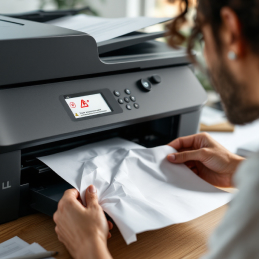
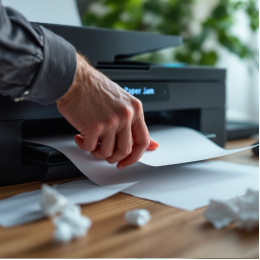
Quite a few error numbers have to do with physical problems, like jams or open compartments.
- The paper tray, ink door, and back panel should all be opened.
- Make sure there is no stuck paper or loose cartridges.
- Close everything up tight before you try again.
An alert can be set off by even a slightly open panel.
4. Factory reset or reinstall cartridge
If the mistake is about toner or ink:
- Take out the cartridge and put it back in.
- Make sure it's in the right place and that the chip contacts are clean.
- Do not use old or mismatched cartridges.
If the problem keeps happening, you might need to get a new cartridge.
5. Check Your Printer Menu Code
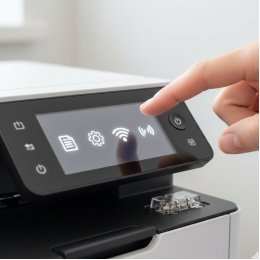
There should be a screen on your printer. If it does, go to the Status or Help menu.
- Some printers let you know what the code means.
- You might see choices to try again, skip, or start over with the job.
Tip:
Write down or take a picture of the codes that you use often to keep them handy.
6. Use the Model to Look for Code
Still having trouble? Type in the error number and the name of your printer model. As an example:
"Error 0xC4EB827F [Your Printer Model]"
Most of the time, this leads to government documentation or troubleshooting pages that explain the problem in detail.
(Just make sure you only download from places you know you can trust.)
What Causes Most Error Codes
- Paper jams or feed problems
- Installing the device wrong, or Outdated software
- Not enough or any ink
- Loss of wireless link
- The printhead is too hot, or an internal error
How to Avoid Making Mistakes in the Future
- Drivers and software for your printer should always be up to date.
- Do the right thing and unplug your printer while it's still going.
- Use the toner or ink that was suggested.
- Do not let dust or dirt get into the printer.
- If you don't have much ink left, don't print.
- Every week, restart your printer to keep the system new.
Don't worry about codes that are hard to understand. Once you know what they mean, getting rid of them is usually as easy as checking a few simple boxes. Check out our full blog library at any time for more do-it-yourself tips on how to fix common printer problems.